Posts

Showing posts with the label head lice

Hair Relaxer For Treatment Of Head Lice

Image
A relaxer is a type of lotion or cream generally used by people with tight curls or very curly hair which makes hair easier to straighten by chemically "relaxing" the natural curls. The active agent is usually a strong alkali, although some formulations are based on ammonium thioglycolate or formaldehyde. Lice A lye relaxer consists of sodium hydroxide (also known as NaOH or lye) mixed with water, petroleum jelly, mineral oil, and emulsifiers to create a creamy consistency. Some people use hair relaxers to kill head lice. The chemicals in hair relaxers are toxic to lice. It kills head lice. However, it is not that effective when compared to other methods such as over the counter drugs. Read Also :  Treatment of parasitic body infection Adult lice (singular louse) are approximately the size of a sesame seed and have claws at the end of their 6 legs. They range in color from gray to a reddish brown depending on when they last fed on blood. They survive by feeding on blood from ...
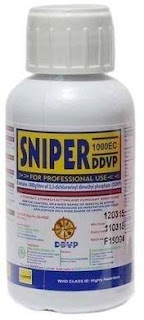
Treating Head Lice With Sniper (Dichlorvos) Insecticide Is Dangerous

Image
Lice is an insect pest that lives on the scalp of the head. Treatment is the use of shampoo or medicated pesticides like permethrin. Unfortunately, many people especially in Nigeria rely on unproven methods such as the use of dichlorvos containing insecticide such as sniper insecticide. Sniper insecticide Sniper insecticide contains dichlorvos which is an organophosphate. It is a very effective pesticide. It inhibits acetylcholinesterase at the cholinergic junction of the nervous system of pests. This leads to the death of the pest. Read Also : First aid for sniper insecticide poisoning Sniper insecticide is also dangerous to humans. Affected persons often suffer from genotoxic, neurological, reproductive, carcinogenic, immunological, hepatic, renal, respiratory, metabolic, dermal and other systemic effects. In severe cases, it can lead to death. Dichlorvos toxicity is severe in people with reduced pulmonary function, convulsive disorders, recent exposure to cholinesterase inhibitors a...

Consultation Service